Skip to content
Elite Squad Security
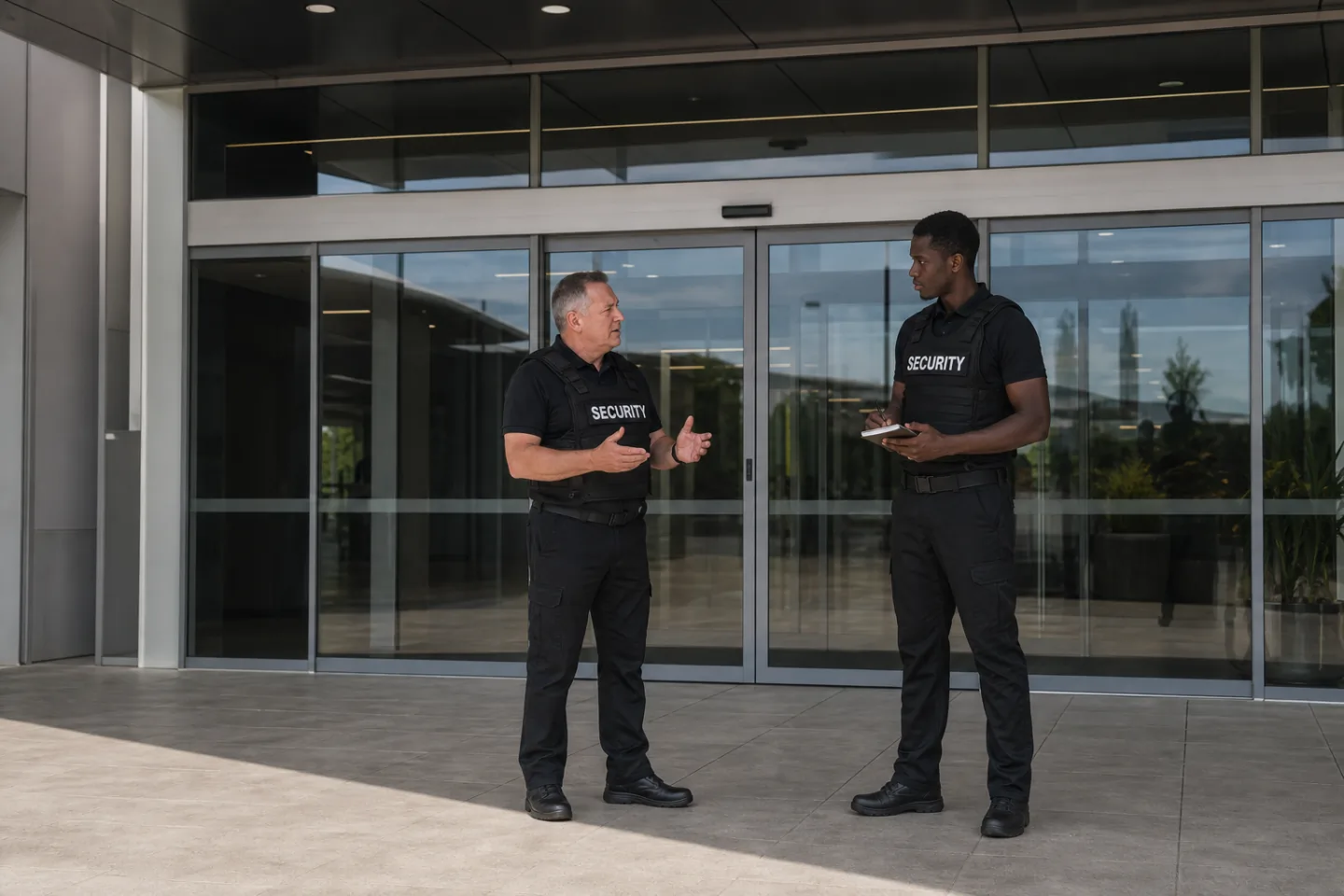
Two security officers briefing at a shopping centre entrance in Queensland

Retail · Brisbane, Gold Coast and Sunshine Coast

Shopping Centre & Retail Security, Brisbane & Gold Coast

Elite Squad Security provides Class 1 licensed retail security for shopping centres, homemaker precincts and large-format retail across Brisbane and the Gold Coast, led by a director with police and close-protection credentials.

Where

Brisbane northside, Brisbane southside, Brisbane inner city

Licence

Class 1, Queensland. Check the register

Record

Every shift logged digitally and reported to you.

The clients are centre and facility managers, often responsible for more than one site, who need the standard at every centre to be the same and need it in writing.

What we deliver is a fixed team per centre, trading-hours presence at the points where incidents start, a log of every shift that reaches centre management, and officers who resolve the situation in front of them rather than watching it. Our guards do more than call the police.

What's included

What our shopping centre security includes

  1. 01

    Trading-hours presence

    Officers on post from open to close at the entries, the food court, the car park and wherever the incident history says. Presence is visible and consistent, day after day.

  2. 02

    Same officers, same centre

    The roster fixes a team to a centre. Officers learn the tenants, the layout, the regulars and the people who should not be there, and the tenants learn who to call.

  3. 03

    Multi-site consistency

    One set of site orders per centre, one supervisor chain, one report format. A manager with five centres reads five reports that look the same and mean the same.

  4. 04

    Loss prevention support

    Officers back tenants' own loss prevention: attending calls from stores, observing and recording, managing offenders under the centre's policy until police arrive when they are called.

  5. 05

    Car park patrols

    Open-air and basement car parks walked on a set pattern and logged each pass. Trolley bays, ticket machines and ramps are checked, and vehicle-related incidents are recorded.

  6. 06

    Incident logging and reporting

    Every incident entered digitally at the time: what happened, who attended, what was done, how it ended. A daily or weekly report goes to centre management in the format they ask for.

  7. 07

    Tenant liaison

    A named officer the tenants know, a channel for their concerns, and a record of what they raised. Small issues are handled before they reach the centre manager's desk.

  8. 08

    Anti-social behaviour and trespass

    Officers approach, engage and resolve under the centre's policy and Queensland law. Move-on directions, bans and police call-outs are documented with the officer's account.

  9. 09

    Open-up, lock-up and after hours

    Roller doors, alarms, lighting and back-of-house verified at the start and end of trade. Overnight, mobile patrols or CCTV monitoring take over where a fixed post is not justified.

  10. 10

    Emergency and evacuation support

    Officers inducted into the centre's emergency procedures, present at drills and able to hold assembly points and manage access during an incident.

Where we work

Retail is where the operation started and where most of our posts are. Centres are served by a local team with one reporting line, so a portfolio spread across Brisbane, the Gold Coast and the Sunshine Coast gets the same standard in each.

  1. Brisbane northside

    Large-format retail precincts and shopping centres from Chermside to Strathpine and out to the airport corridor.

  2. Brisbane southside

    Retail centres around Mount Gravatt, Carindale, Sunnybank and the Logan corridor.

  3. Brisbane inner city

    Ground-floor and podium retail in the CBD, Fortitude Valley and Newstead, where the centre shares walls with offices and residents.

  4. Gold Coast north

    Southport, Surfers Paradise and Broadbeach: high-footfall centres with a night-time economy around them.

  5. Gold Coast central and south

    Robina, Burleigh Heads and Coolangatta: suburban centres with large open-air car parks.

  6. Sunshine Coast and portfolios across South East Queensland

    Centres from Caloundra to Noosa are covered from Brisbane; a group spread across the three regions gets one roster, one supervisor chain and one report.

The per-city rosters, suburbs and posts are on the security guards Brisbane and security guards Gold Coast pages.

Need cover at a site like this?

Tell us where, the hours and when it starts. The proposal comes back in writing.
  • Class 1 licensed
  • Written proposal
  • Same officers, same site
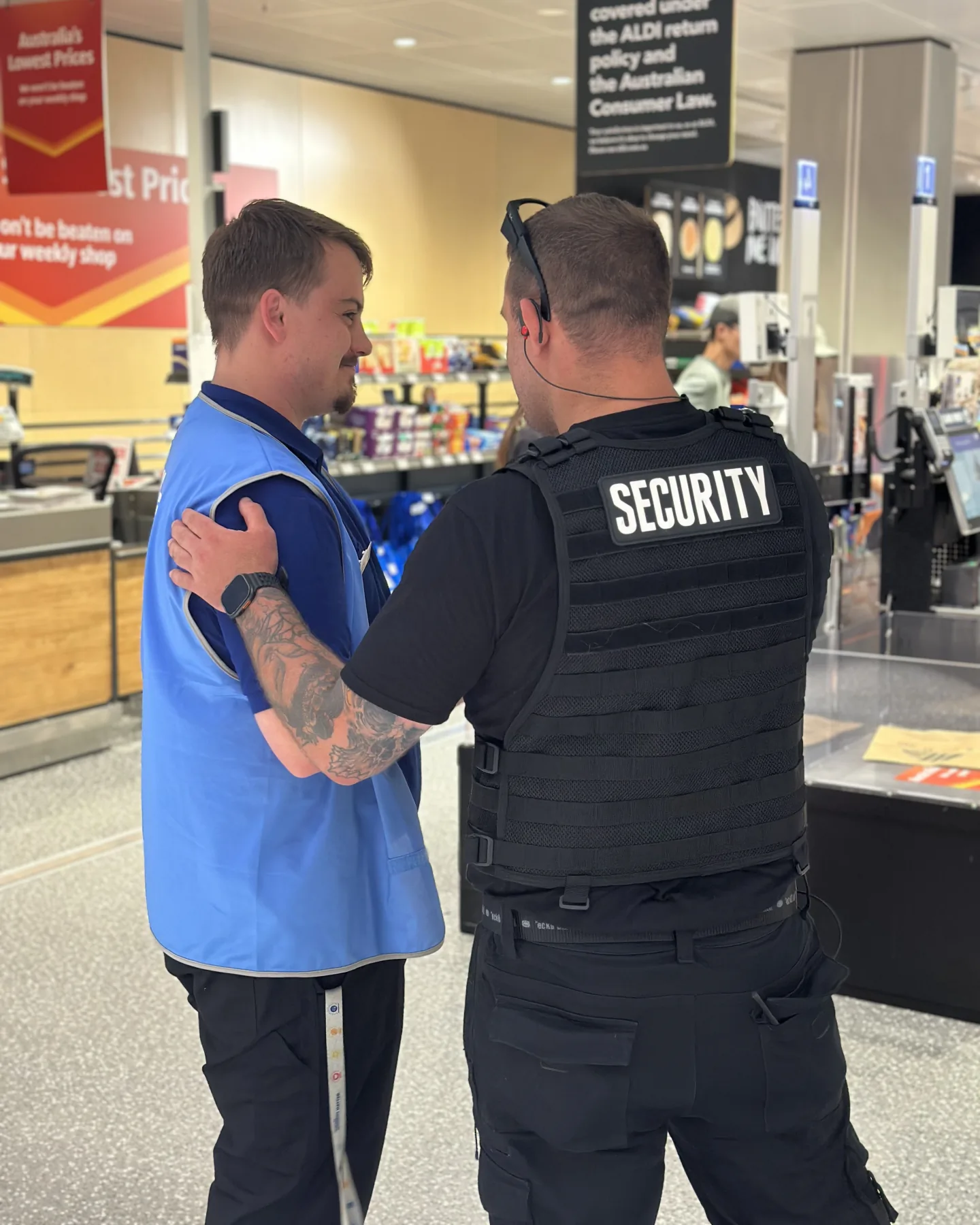
Elite Squad officer talking with a retail team member on the shop floor of a centre

How a multi-site contract is run

A portfolio is set up centre by centre.

Each one gets a site walk with the centre manager, a written set of site orders (posts, patterns, escalation contacts, tenant policies), and a fixed team inducted to those orders. The supervisor covering the group visits each centre unannounced and reads the logs against the orders.

Reporting is standardised across the group: the same incident categories, the same format, the same day of the week. A manager comparing two centres compares like with like. Where a centre's incident pattern changes, the roster changes with it and the change is documented.

We have run this model for a five-centre homemaker group across Brisbane and the Gold Coast; the anonymised account is on the case study page.

What incident reporting looks like

Each officer logs on a digital platform at the post, not from memory at the end of the shift.

  1. 01

    An entry carries the time, the location within the centre, what was observed, what the officer did, who else was involved or notified, and the outcome.

  2. 02

    Photographs are attached where appropriate and lawful.

  3. 03

    Centre management receives the log as a report on the schedule they choose.

  4. 04

    Repeat locations, repeat times and repeat individuals become visible over weeks, and that is what changes the roster and the advice we give.

What you can verify

Licensing and insurance

Retail security is licensed work under Queensland law. Every officer on a centre floor must hold a Class 1 licence in their own name; the centre manager can check each one before they start.

Licence class

Class 1

Queensland Office of Fair Trading, under the Security Providers Act 1993.

Firm
Licensed security firm
Officers
Class 1, in their own name
Insurance
Insured for the work it does. Certificates of currency come with every proposal and on request.
Check the OFT register

Per officer, before a first shift

  • Class 1 licence sighted and recorded
  • Current first aid certificate
  • Police history check as required by the licence
  • Site induction signed off by the supervisor
  • Licence expiry tracked centrally: nobody is rostered on an expired ticket
  • Names and licence numbers of the officers proposed are in every quote

Elite Squad Security operates as a licensed security firm, and every officer we deploy holds a current Class 1 licence issued by the Queensland Office of Fair Trading. Any licence can be checked on the public register before an officer starts.

What sets the price

How much does shopping centre security cost

Retail guarding is priced per officer per hour against the centre's trading roster, with the factors below setting the rate. We quote in writing per centre and, for a group, as a single schedule that shows every site. The proposal states the rate, the hours and who supervises.

Get a written quote

Send the centre or the list of centres, the trading hours and the start date through the quote form. For a group, one proposal covers every site.

  • Trading hours and days

    Extended-trade nights, weekends and public holidays carry the award penalties the officer is entitled to.

  • Officers per shift

    Set by entry points, footfall, the car park and the incident history. We recommend a number and explain it; the centre decides.

  • Number of centres

    Supervision, reporting and relief cover are shared across a portfolio, which lowers the per-hour rate compared with a single centre.

  • Role mix

    Concierge-style posts, floor patrols and car-park patrols are all Class 1 work, but experience and presentation requirements change the rate.

  • Reporting requirements

    Standard reports are included. Bespoke formats, tenant-level breakdowns or integration with a centre's own system are scoped and quoted.

  • Notice and contract length

    A standing contract is priced differently from short-notice cover for a peak or a refurbishment.

Three things you can verify

Why Elite Squad

  1. 01

    Licences you can check

    Every officer holds a Queensland Class 1 licence. We give you the names; you look each one up on the OFT register before they start.

  2. 02

    A written record of every shift

    Every post and patrol is logged in Boomerang, our own reporting app: timestamped check-ins, incident entries and photographs. You receive the report, not a verbal summary.

  3. 03

    The same officers on the same site

    Rosters are built so a site sees the same faces. Officers who know the tenants, the layout and the regulars resolve more and escalate less.

The incumbent who watches and phones the police is the standard we are hired to replace.
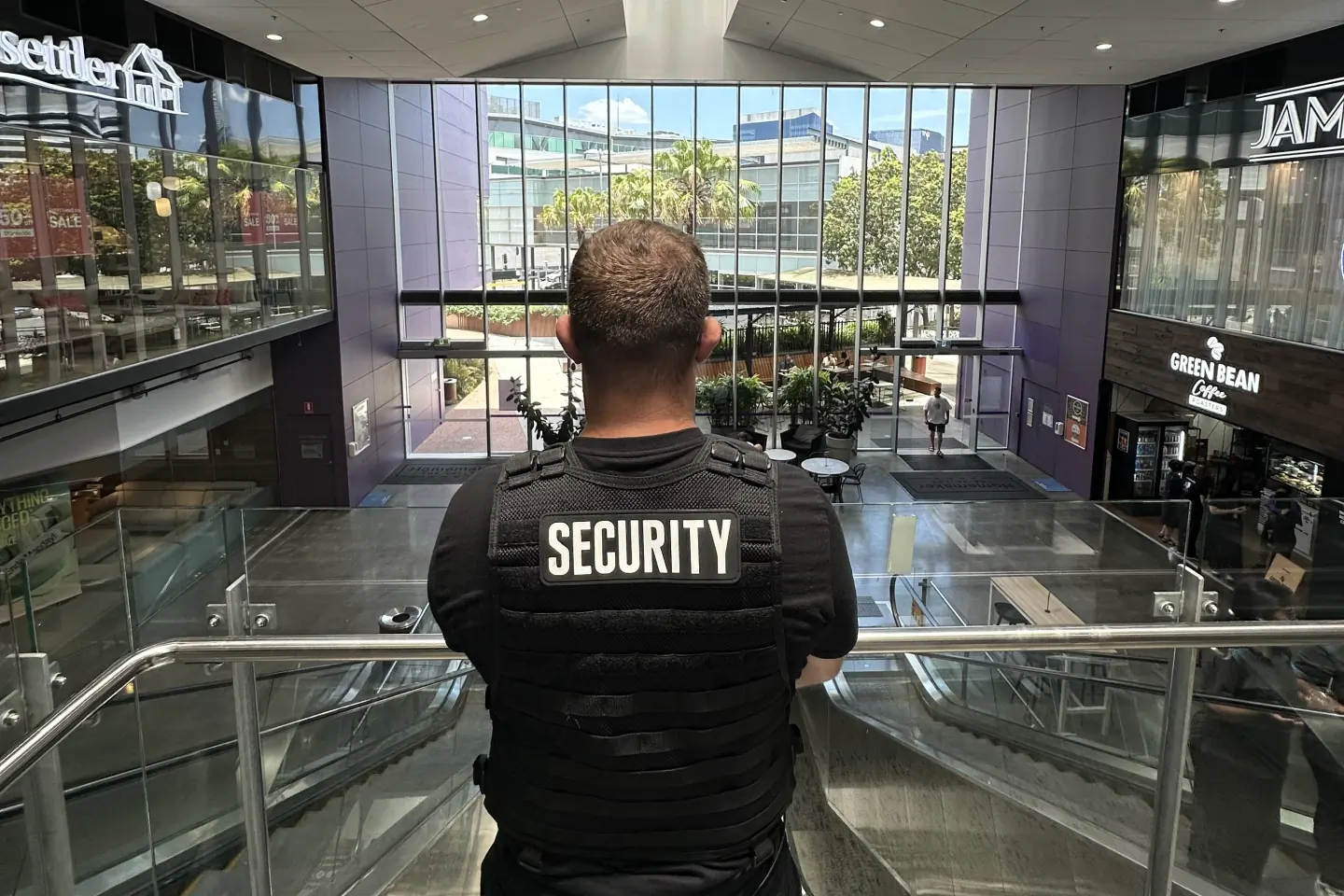
Elite Squad officer overlooking the atrium of a Brisbane homemaker centre

Case study · Retail · Brisbane and Gold Coast

Holding one standard across five retail centres

Site orders per centre, a fixed team, one report format, one supervisor. What changed, and why the incumbent lost the contract.

Read the case

Frequently asked questions

Can you hold the same standard across several centres?

Yes, and that is the point of the model: one set of site orders per centre, one supervisor chain across the group, one report format. We have run it for a five-centre homemaker group across Brisbane and the Gold Coast; the account is on the case study page.

Are your retail security officers licensed in Queensland?

Yes. Every officer holds a current Class 1 licence issued by the Queensland Office of Fair Trading, and the company holds a firm licence. You can check any officer on the OFT register before they start; names and numbers are in the proposal.

How many officers does a shopping centre need?

It depends on the number of entries, the footfall by hour, the car park and the incident history. We walk the centre with the manager, propose a roster and set out the reasoning in writing. The roster changes when the incident pattern changes.

What do your officers do about anti-social behaviour and trespass?

They approach, engage and resolve under the centre's policy and Queensland law, including move-on directions where the centre authorises them. Police are called when the situation requires it, not as the first step. Every intervention is logged with the officer's account.

Do we get incident reports?

Yes. Every incident is logged digitally at the time with location, observation, action and outcome, and centre management receives the report on the schedule they choose. Across weeks, the log shows repeat locations, times and individuals.

Do you cover the Gold Coast as well as Brisbane?

Yes, and the Sunshine Coast. Centres in all three regions are covered from one operation with one reporting line. The local rosters are on the security guards Brisbane and security guards Gold Coast pages.

Next step

Request a quote

Tell us when you need cover, the site and the hours. We reply with a written proposal, not a call script.

  • Class 1 licensed
  • Written proposal
  • Same officers, same site
CallRequest a quote

Shopping Centre Security

Request a quote

Or call 1300 863 648.